
The Journey of a Red Blood Cell Through Your Body
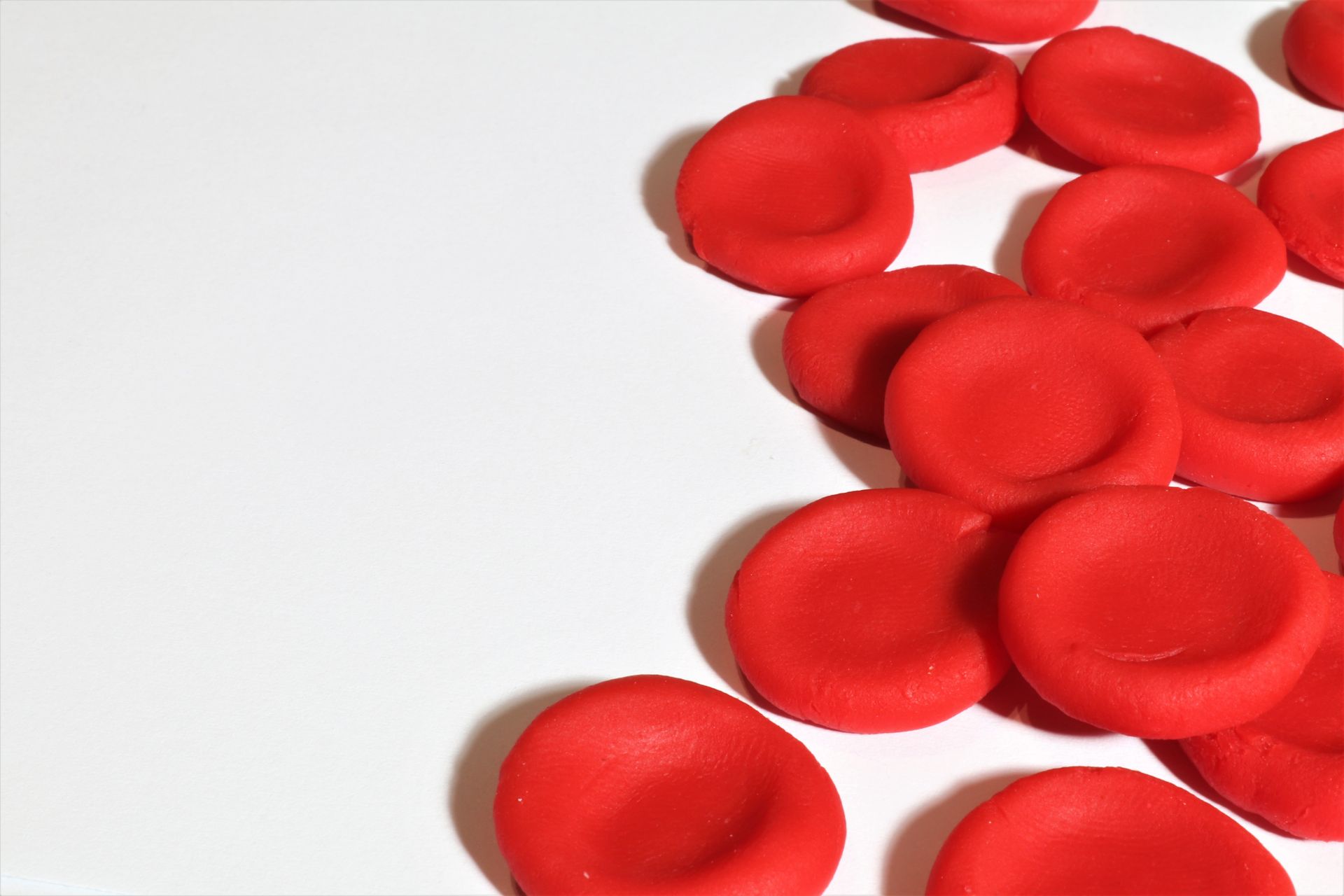
Your body is constantly moving, even when you are sitting still. One of the busiest journeys happening inside you involves tiny red blood cells traveling through an enormous network of blood vessels. A single red blood cell can travel through the heart, lungs, arteries, and smaller blood vessels as it helps deliver oxygen to your tissues. It also plays a role in carrying carbon dioxide away from tissues so your body can get rid of it. So, what does this microscopic journey actually look like?
It Starts in the Bone Marrow
Before a red blood cell can travel through your bloodstream, it has to be made. Red blood cells are produced mainly in the bone marrow, the soft tissue found inside certain bones.As a developing blood cell matures, it becomes specialized for transporting gases. Mature red blood cells are packed with hemoglobin, a protein that gives blood its familiar red color and allows the cells to carry oxygen. Once they are ready, these cells enter the bloodstream and begin their journey.
The Red Blood Cell Heads Toward the Heart
After entering circulation, a red blood cell eventually makes its way toward the heart. Blood returning from much of the body has already delivered oxygen to tissues, so it contains less oxygen and more carbon dioxide. This blood enters the right side of the heart. The heart then pumps it toward the lungs, where the red blood cell gets an important opportunity to reload with oxygen.
The Heart Sends It Around the Body
Oxygen-rich blood returns to the left side of the heart. From there, the heart pumps it into the body’s largest artery, the aorta. The blood then travels through progressively smaller arteries and blood vessels. This network reaches practically every part of your body, from your brain and muscles to your skin and internal organs. The heart’s pumping action keeps the blood moving continuously.
The Red Blood Cell Reaches Tiny Capillaries
Eventually, the red blood cell reaches capillaries. These are extremely small blood vessels that form connections between the smallest arteries and veins. Capillary walls are thin enough to allow substances to move between the blood and surrounding tissues. Oxygen carried by the red blood cell can move into nearby cells, where it can be used to support energy production. This is one of the most important parts of the entire journey because your cells depend on a steady supply of oxygen.
The Lungs Give It a Fresh Supply of Oxygen
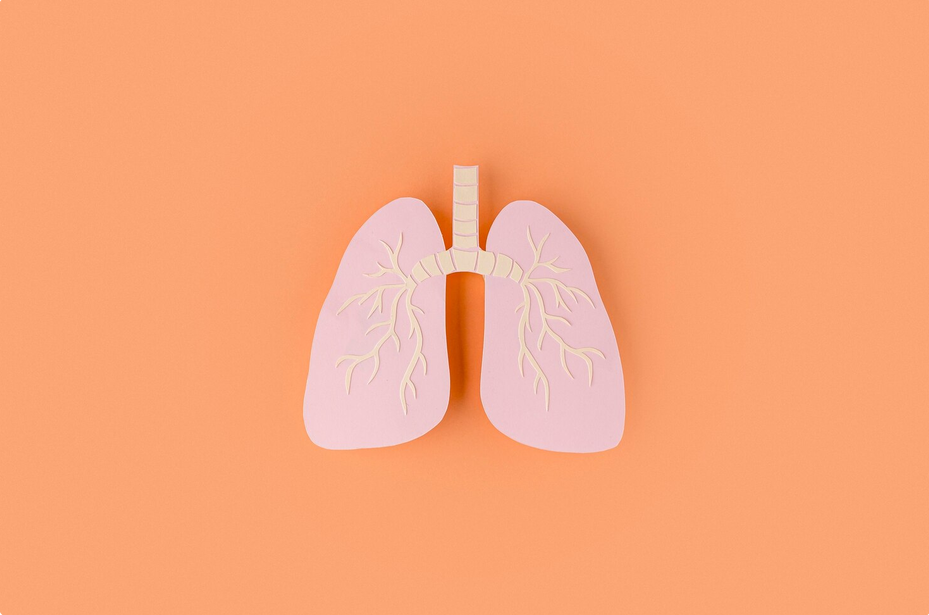
The lungs are one of the most important stops on the journey. When you breathe in, oxygen enters tiny air sacs called alveoli. These air sacs are surrounded by very small blood vessels. Oxygen moves from the air in the alveoli into the blood, where it attaches to hemoglobin inside red blood cells. At the same time, carbon dioxide moves from the blood into the lungs so it can be removed when you breathe out. The red blood cell is now carrying a fresh supply of oxygen and is ready to leave the lungs.
Carbon Dioxide Begins the Return Trip
After delivering oxygen, the red blood cell begins its return journey. Your cells produce carbon dioxide as a waste product of normal metabolism. Carbon dioxide enters the bloodstream and is transported back toward the lungs in several forms. …













 This myth has caused many individuals to fear carbohydrates and avoid them entirely. However, the truth is that carbohydrates are an essential macronutrient and a vital source of energy for our bodies. It is the quality and quantity of carbohydrates that matter. Opt for complex carbohydrates found in whole grains, fruits, and vegetables, which provide fiber, vitamins, and minerals. These carbohydrates are digested slowly, providing sustained energy and helping to control blood sugar levels.
 The fat-free food trend gained popularity with the belief that removing fat from foods would result in healthier options. However, this myth overlooks the fact that many fat-free products are heavily processed and loaded with added sugars and artificial ingredients to compensate for the lack of flavor. Healthy fats, such as those found in avocados, nuts, and olive oil, are crucial for nutrient absorption, hormone production, and brain function. Instead of fat-free options, focus on incorporating moderate amounts of healthy fats into your diet for optimal health and satiety.
 This myth suggests that eating late at night automatically leads to weight gain. However, it is not the timing of our meals that affects weight; it is the overall balance of calories consumed versus calories expended. The body does not have a specific metabolic switch that flips on after a certain time. What matters is the total number of calories you consume throughout the day. If you feel hungry at night, listen to your body and choose a light and nutritious snack, such as a piece of fruit or a small serving of yogurt. By busting these common myths, we can make more informed choices about the foods we consume.


 Start your day with a moment of calm and tranquility through meditation or deep breathing exercises. Find such a quiet space where you can sit comfortably, then close your eyes, and deeply focus on your breath. Take slow, deep inhales through your nose, feeling the air fill your lungs, and then exhale slowly through your mouth. As you do this, let go of any tension or stress that may be weighing you down. Meditation allows you to quiet the noise in your mind and bring yourself into the present moment. It helps reduce anxiety and promotes mental clarity. Deep breathing exercises have similar benefits by activating the body’s relaxation response.
 Not only does light exercise such as cycling, jogging, and even dancing improve your mental state, but it also improves cognitive function by leveling up the blood flow to the brain. It can result in improved memory, focus, and creativity – all essential elements for maintaining optimal mental well-being. Additionally, participating in light exercises provides an opportunity to unplug from all the harsh demands of everyday life and focus solely on yourself. Whether you choose to do some gentle stretching or take a stroll around your neighborhood, this time allows you to clear your mind and find inner peace.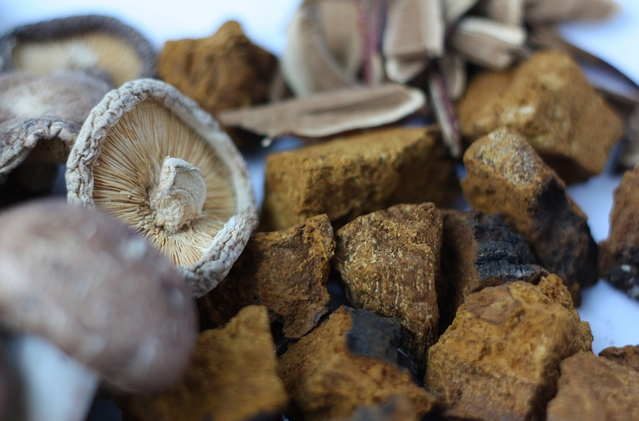

 The anti-aging properties of the Chaga mushroom powder supplement are one of the reasons why it’s becoming a popular health supplement. Aging is inevitable, but we can slow down its effects by taking care of our bodies and consuming nutrients that support our overall well-being. Chaga mushroom contains high levels of antioxidants that help reduce oxidative stress on cells, a major contributor to aging. These antioxidants protect the body from free radicals, unstable molecules that cause damage to healthy cells. By reducing this damage, Chaga helps preserve youthful-looking skin and reduces wrinkles. Another way Chaga supports anti-aging is through its ability to boost collagen production in the body. Collagen is an essential protein for maintaining skin elasticity and hydration.

 Golf is an excellent recreational activity that can help reduce stress and anxiety. Being outside in the fresh air and surrounded by nature provides mental relaxation, which can improve one’s mental state. Playing golf can also be a social activity, providing players a sense of community and support. Moreover, while playing on challenging golf holes, golfers need to focus their minds and forget about other worries. It allows them to fully immerse themselves in the game, an excellent way to relieve stress.

 Not only does Vitamin D help the body absorb calcium, but exposure to sunlight may also help improve bone density. Bone density is a measure of how much calcium and other minerals are present in your bones. The more dense your bones are, the stronger they are. A few studies suggest that exposure to sunlight may help improve bone density. One of them found that postmenopausal women exposed to more sunlight had higher bone density than those not exposed to as much sunlight.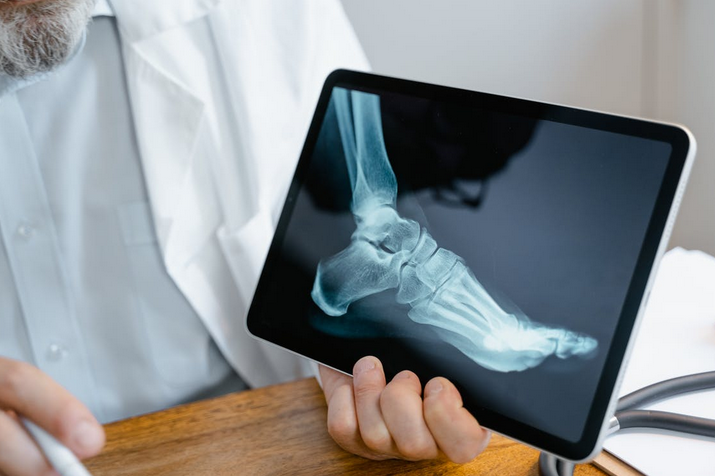
 Another sign that you need to see an orthopedic doctor is if you are experiencing chronic pain. Chronic pain is defined as pain that lasts for more than three months. If you are in pain for longer than this, it’s time to seek help from an orthopedic specialist. Orthopedic doctors can help identify the cause of your pain and provide you with treatment options to help relieve it. In addition to chronic pain, you may also be experiencing stiffness or swelling in the affected area.
 If you feel unstable while standing or walking, it’s a sign that you need to see an orthopedic doctor. It can be caused by many things, such as a ligament tear or muscle weakness. An orthopedic specialist will be able to diagnose the cause of your instability and provide you with treatment options to help improve it.
 Playing sports has many benefits, both physically and mentally. It can help you release stress, improve your mood, and boost your self-esteem. If you’re not into sports, there are other activities you can do that will have the same effect, such as hiking, biking, or even just going for a walk.
 Whenever you feel down, you can always expect food to cheer you up. Foods don’t only fill our stomachs, but they can also fill our hearts with glee since certain food contain tryptophan, which helps the body produce serotonin.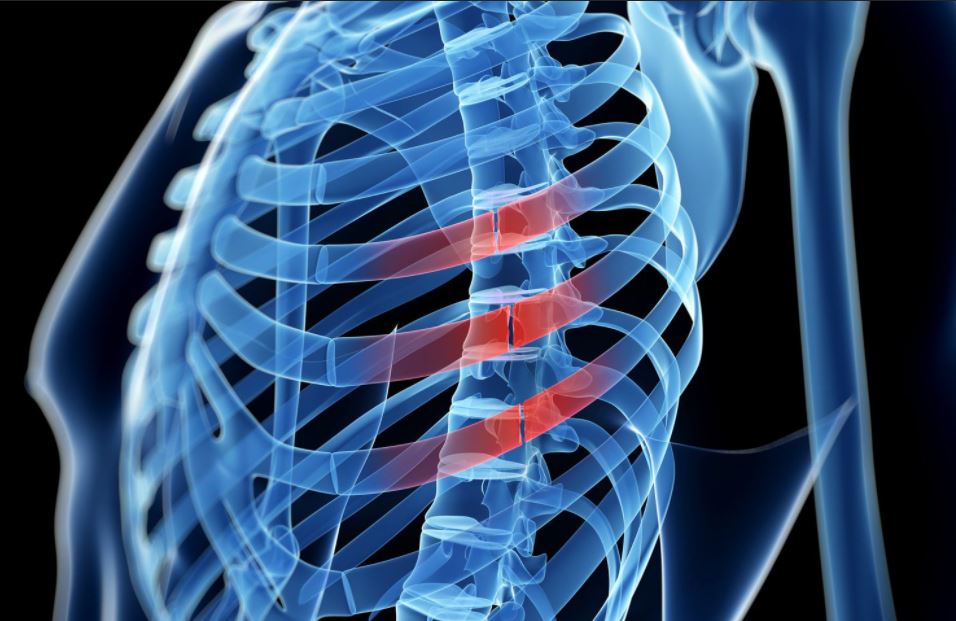
 Other possible reasons are accidents with cars and bicycles or in contact sports such as soccer, handball, hockey, martial arts, and physical violence such as kicks or punches. Persistent coughing, due to a chronic obstructive pulmonary disease, can also cause a rib fracture. You can also suffer the same due to conditions such as osteoporosis.
 Reconnecting the fragments in one operation is only necessary in sporadic exceptional cases. As a rule, even in serial rib fractures, the bone parts remain stabilized by the periosteum and muscles to such an extent that they hardly move against each other and therefore grow back together by themselves.
 Effective
 Nice-Looking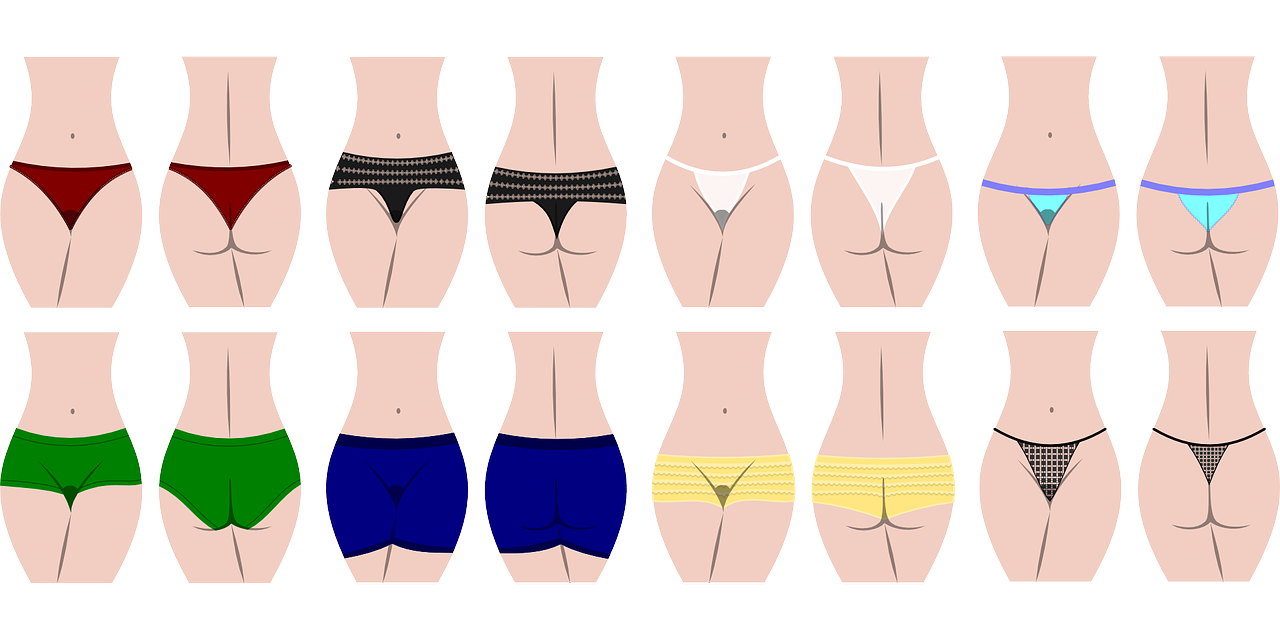
 Feel It
 Inspect the Gusset
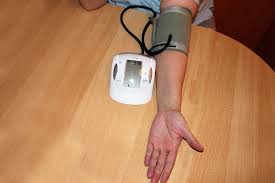 Sleep apnea can put you at risk of high blood pressure. For individuals who already have it, it could make it worse. When you suddenly stop breathing late into the night, your body gets stressed. This instability often boots blood pressure levels as the body tries to address the problem. Going for CPA therapy, thus, is essential for anyone who would want to see their blood pressure levels improve.

 The Hyaluronic acids can be used to reduce depression and improve the skin’s contour. After you have received this injection, you are likely to see dramatic changes for cheek depressions, frown lines between the eyebrows, facial scars, nasolabial furrows or acne scars. These are some of the changes you will notice after injecting this type of dermal filler.
 This type of dermal filler is used to improve facial contours and improve the fullness of the cheeks. Also, it can be used to increase the volume of your skin that was lost due to illness. This filler is biosynthetically produced. In other words, this means that there are no animal products that are used. Most people recommend it because it is widely known to provide a natural result.…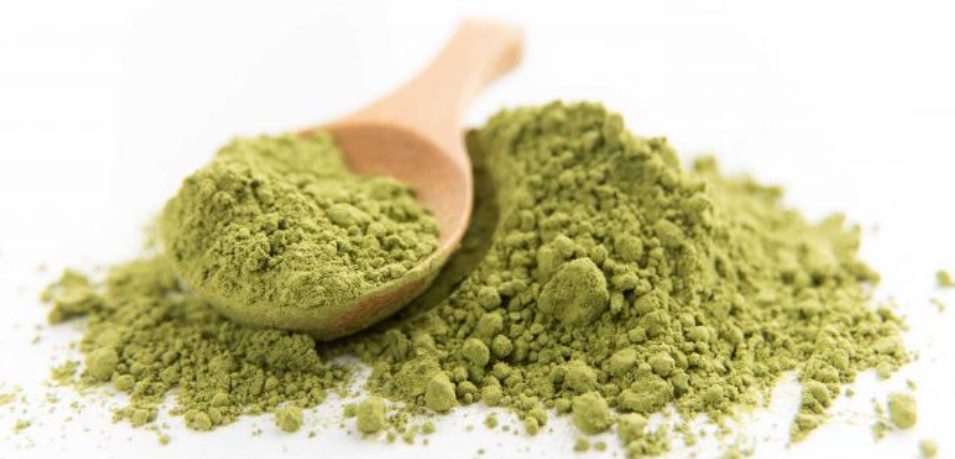
 The question on most of our minds is how to overcomes kratom for opiate withdrawals. The fact of the matter is that withdrawal symptoms are real. We just can’t run away from it however hard we try. We just wish it were something as easy as pie. When we find the right partners to help us combat the withdrawal symptoms, we are safe.
 Most people think that the withdrawal phase is a hoax meant to swindle people. It’s real and exudes the following symptoms;