
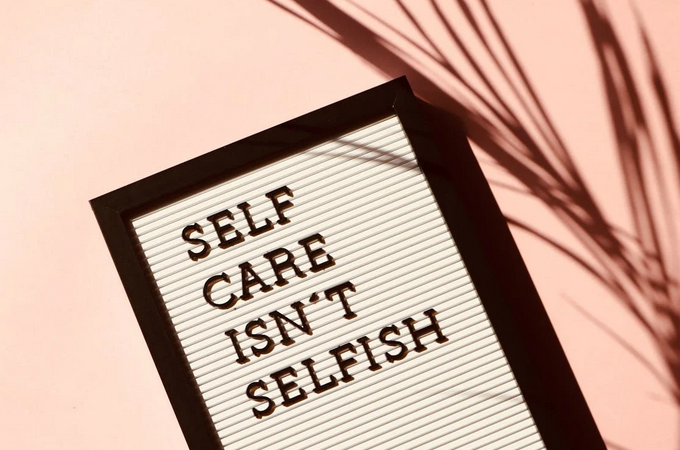
In our fast-paced world, taking time for ourselves often feels like a luxury we can’t afford. We juggle work commitments, family responsibilities, and social engagements, leaving little room for self-care. Yet, the truth is that prioritizing our well-being is not just important it’s essential. Self-care isn’t about indulgence. It’s about nurturing your physical health and mental clarity. When you take time to recharge, you become more resilient in facing life’s challenges. Imagine having the energy to tackle your daily tasks with enthusiasm or the mental space to be present in conversations with loved ones. These benefits are within reach when we embrace self-care as an integral part of our lives. Let’s explore why permitting yourself to pause might just be one of the best decisions you ever make.
The Physical Benefits of Self-Care
Self-care goes beyond pampering; it plays a crucial role in physical well-being. Regularly dedicating time to yourself can lead to noticeable improvements in health. Engaging in activities like yoga or walking helps boost cardiovascular fitness. These exercises enhance blood circulation, which is vital for energy and vitality. Moreover, taking breaks from daily stressors can significantly lower cortisol levels. Reduced stress translates into fewer headaches and muscle tension, allowing your body to function optimally.
The Mental and Emotional Benefits of Self-Care

Self-care is more than just a trend; it’s a necessity for mental and emotional well-being. Taking time for yourself allows your mind to recharge. This replenishment can lead to enhanced focus and clarity. Engaging in self-care activities helps reduce stress levels significantly. Whether it’s indulging in hobbies, spending time in nature, or practicing mindfulness, these moments of peace contribute to emotional balance. You cultivate a positive mindset that enables you to navigate difficulties with grace.
Common Barriers to Practicing Self-Care
Many people face obstacles that hinder their self-care efforts. A significant barrier is time. With busy schedules and endless responsibilities, finding even a few moments for oneself can feel impossible. Another common challenge is guilt. Many individuals struggle to prioritize their own needs, often feeling selfish for taking time away from work or family obligations. This mindset can lead to neglecting personal well-being. Financial constraints also play a role in limiting self-care activities. People may believe that pampering themselves requires spending money they don’t have, which isn’t always true.
Tips for Incorporating Self-Care Into Your Daily Routine

Finding time for self-care can seem daunting, but small changes make a big difference. Start by scheduling mini-breaks throughout your day. Even five minutes of deep breathing or stretching can reset your mind. Consider creating a morning ritual that inspires you. Whether it’s sipping tea while journaling or taking a brisk walk, these moments set the tone for the day ahead. Meal prepping is another excellent strategy. Preparing healthy meals in advance frees up time during busy days and ensures nourishing options are always available.
Self-Care Ideas for Different Lifestyles and Budgets
Self-care can be tailored to fit any lifestyle and budget. For busy professionals, a quick morning routine of stretching or meditation for just 10 minutes can set a positive tone for the day. If you’re on a tight budget, consider exploring nature. A walk in the park or hiking local trails is free and rejuvenating. For those who enjoy creativity, try journaling or painting at home. These activities don’t require expensive supplies but offer an expressive outlet.
Taking time for self-care is an essential aspect of leading a balanced and fulfilling life. It’s not just about pampering yourself; it’s about recognizing your needs and addressing them in ways that promote health, happiness, and well-being. By prioritizing self-care, you can enhance your physical vitality while also nurturing your mental and emotional health. Overcoming barriers to self-care requires intention. Small adjustments in daily routines can lead to significant changes over time. Whether it’s through simple mindfulness practices or dedicating moments each day to activities you enjoy, these steps are crucial. Self-care doesn’t have to be expensive or time-consuming; there are countless options available regardless of lifestyle or budget constraints. Tailoring your approach ensures that it fits seamlessly into who you are and what you value most.