
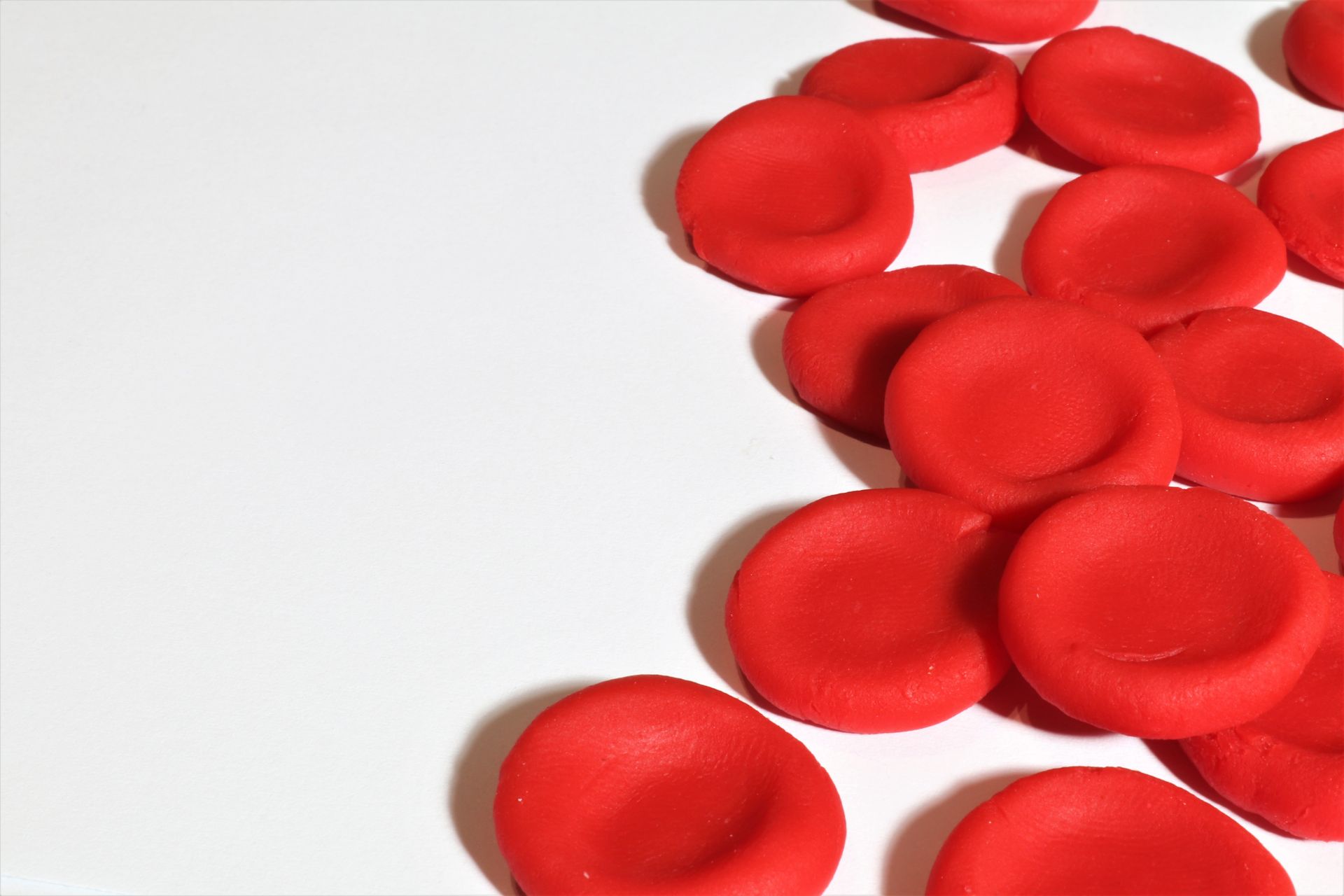
Your body is constantly moving, even when you are sitting still. One of the busiest journeys happening inside you involves tiny red blood cells traveling through an enormous network of blood vessels. A single red blood cell can travel through the heart, lungs, arteries, and smaller blood vessels as it helps deliver oxygen to your tissues. It also plays a role in carrying carbon dioxide away from tissues so your body can get rid of it. So, what does this microscopic journey actually look like?
It Starts in the Bone Marrow
Before a red blood cell can travel through your bloodstream, it has to be made. Red blood cells are produced mainly in the bone marrow, the soft tissue found inside certain bones.As a developing blood cell matures, it becomes specialized for transporting gases. Mature red blood cells are packed with hemoglobin, a protein that gives blood its familiar red color and allows the cells to carry oxygen. Once they are ready, these cells enter the bloodstream and begin their journey.
The Red Blood Cell Heads Toward the Heart
After entering circulation, a red blood cell eventually makes its way toward the heart. Blood returning from much of the body has already delivered oxygen to tissues, so it contains less oxygen and more carbon dioxide. This blood enters the right side of the heart. The heart then pumps it toward the lungs, where the red blood cell gets an important opportunity to reload with oxygen.
The Heart Sends It Around the Body
Oxygen-rich blood returns to the left side of the heart. From there, the heart pumps it into the body’s largest artery, the aorta. The blood then travels through progressively smaller arteries and blood vessels. This network reaches practically every part of your body, from your brain and muscles to your skin and internal organs. The heart’s pumping action keeps the blood moving continuously.
The Red Blood Cell Reaches Tiny Capillaries
Eventually, the red blood cell reaches capillaries. These are extremely small blood vessels that form connections between the smallest arteries and veins. Capillary walls are thin enough to allow substances to move between the blood and surrounding tissues. Oxygen carried by the red blood cell can move into nearby cells, where it can be used to support energy production. This is one of the most important parts of the entire journey because your cells depend on a steady supply of oxygen.
The Lungs Give It a Fresh Supply of Oxygen
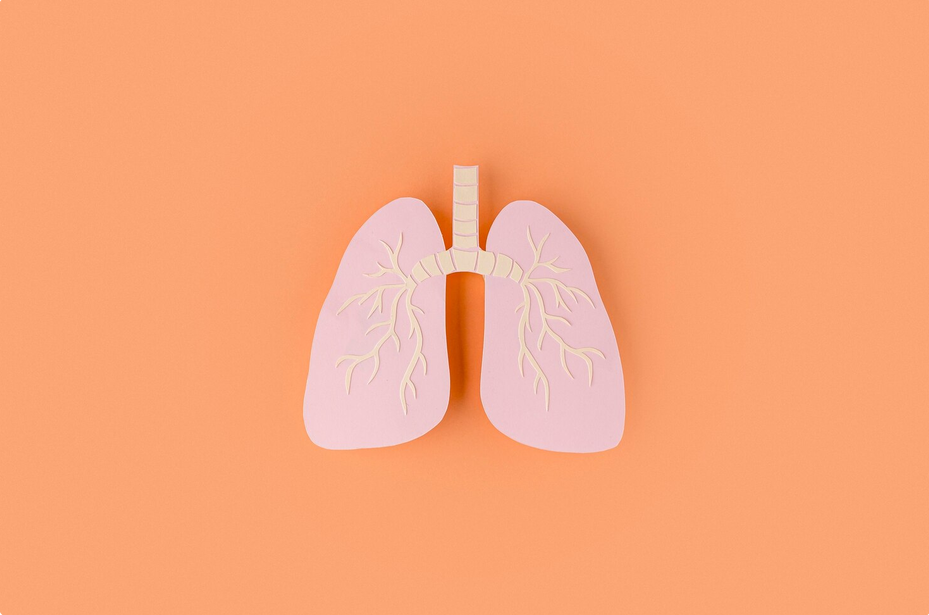
The lungs are one of the most important stops on the journey. When you breathe in, oxygen enters tiny air sacs called alveoli. These air sacs are surrounded by very small blood vessels. Oxygen moves from the air in the alveoli into the blood, where it attaches to hemoglobin inside red blood cells. At the same time, carbon dioxide moves from the blood into the lungs so it can be removed when you breathe out. The red blood cell is now carrying a fresh supply of oxygen and is ready to leave the lungs.
Carbon Dioxide Begins the Return Trip
After delivering oxygen, the red blood cell begins its return journey. Your cells produce carbon dioxide as a waste product of normal metabolism. Carbon dioxide enters the bloodstream and is transported back toward the lungs in several forms. Some of it is carried by hemoglobin, while much of it is transported in the blood after being converted into bicarbonate.
The blood gradually makes its way through veins toward the heart again.
The Heart Sends It Back to the Lungs
Blood returning from the body enters the right side of the heart once more. The heart pumps it toward the lungs through the pulmonary arteries. Once the blood reaches the lungs, carbon dioxide can move into the alveoli and leave the body when you exhale. At the same time, fresh oxygen enters the blood. The cycle then begins again.
Red Blood Cells Do This Again and Again
A red blood cell does not make this journey just once. During its lifespan, it travels repeatedly through the circulatory system, delivering oxygen and helping transport carbon dioxide. The process happens automatically, day and night, whether you are sleeping, exercising, eating, or simply sitting quietly. Your heart, lungs, blood vessels, and blood cells work together continuously to keep your tissues supplied.
Eventually, the Journey Comes to an End
Red blood cells have a limited lifespan.After roughly 120 days, older cells are removed from circulation, primarily by the spleen and liver. Their components are not simply wasted. The body can recycle useful materials, including much of the iron from hemoglobin, and use them to help make new blood cells. The cycle of creating, circulating, and replacing red blood cells continues throughout your life.
The journey of a red blood cell may be invisible, but it is essential to almost everything your body does. From the bone marrow to the lungs, heart, and tiniest capillaries, these tiny cells are constantly on the move. Every breath you take helps keep this remarkable delivery system supplied with oxygen, allowing your cells to keep doing their jobs.